Choosing Burger: A Whimsical Script Font for Web Design
As a web designer, I recently embarked on a project to revamp the online presence of a boutique store. The goal was to create a more engaging and visually appealing experience that would resonate with the store's creative and personal brand. After exploring various typefaces, I stumbled upon Burger, a thin lettered, whimsical script font that seemed perfect for adding a touch of elegance and personality to the site.
A First Look at Burger in Action
The first test was to see how Burger would look in the hero section of the homepage. I placed it over a high-quality image banner, and the result was stunning. The thin, flowing lines of Burger complemented the visual without overpowering it, creating a harmonious balance that drew the eye to the key message.
Visual Characteristics and Personality
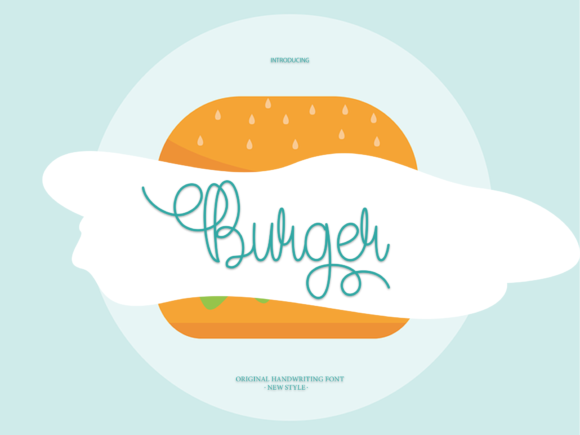
Burger has a unique, hand-drawn quality that makes it stand out. Its thin, elegant strokes give it a light and airy feel, making it ideal for designs that need a touch of sophistication without being too formal. The overall mood is playful yet refined, which aligns perfectly with the boutique store's aesthetic.
Using Burger in Website Headers and Hero Sections
For the website headers and hero sections, Burger proved to be a great choice. It added a personal and inviting touch, making the site feel more approachable and less corporate. I used it for the main title, "Welcome to Our Boutique," and it immediately set the tone for the rest of the page.
Readability and Visual Hierarchy
While Burger is beautiful, it’s important to consider readability, especially on smaller screens. For longer text, I paired Burger with a clean, sans-serif font like Roboto. This combination ensured that the body text was easy to read while still maintaining the elegant and whimsical feel of the header.
Burger in Call-to-Action Areas and Buttons
When it came to call-to-action (CTA) areas and buttons, I found that Burger worked best for short, impactful phrases. For example, using Burger for the CTA "Shop Now" or "Learn More" added a decorative and eye-catching element. However, for smaller buttons and links, a simpler, more legible font was more effective.
Brand Trust and Consistency
Consistency is key in building brand trust. By using Burger consistently across the site, from the logo to the product descriptions, we created a cohesive and professional look. This consistency helped to reinforce the brand identity and made the site feel more polished and well-designed.
Font Pairing and Readability Tips
One of the most important aspects of using Burger effectively is pairing it with complementary fonts. For the body text, I chose a simple, readable sans-serif like Lato. This pairing allowed the decorative qualities of Burger to shine in headings and accents, while the body text remained clear and easy to read.
- Use Burger for: Headings, subheadings, and short, impactful phrases.
- Pair with: Clean, sans-serif fonts for body text and longer content.
- Check readability: Test on both light and dark backgrounds, and ensure it works well on mobile devices.
Practical Examples and Real-World Use Cases
In the context of our boutique store, Burger was particularly effective for the following elements:
- Hero Section: The main heading and tagline, setting the tone for the entire site.
- Product Descriptions: Short, attention-grabbing titles for each product, adding a personal touch.
- Blog Graphics: Headlines and quotes, making the blog posts more visually engaging.
- Social Media Graphics: Eye-catching captions and quotes, enhancing the brand's social media presence.
Final Considerations Before Using Burger
Before integrating Burger into your web design projects, there are a few things to consider:
- Webfont Availability: Ensure that Burger is available as a webfont and can be embedded in your site.
- File Formats: Check if the font comes in multiple formats (e.g., .otf, .ttf, .woff) for compatibility.
- Styles and Weights: Explore the included styles and weights to find the best fit for your design needs.
- Multilingual Support: If your site serves a global audience, make sure Burger supports the necessary languages and characters.
- Commercial Licensing: Verify that the font license allows for commercial use, especially if you’re working on client projects or e-commerce sites.
By carefully considering these factors, you can leverage Burger to enhance the visual appeal and user engagement of your web projects, creating a more polished and memorable online brand experience.